
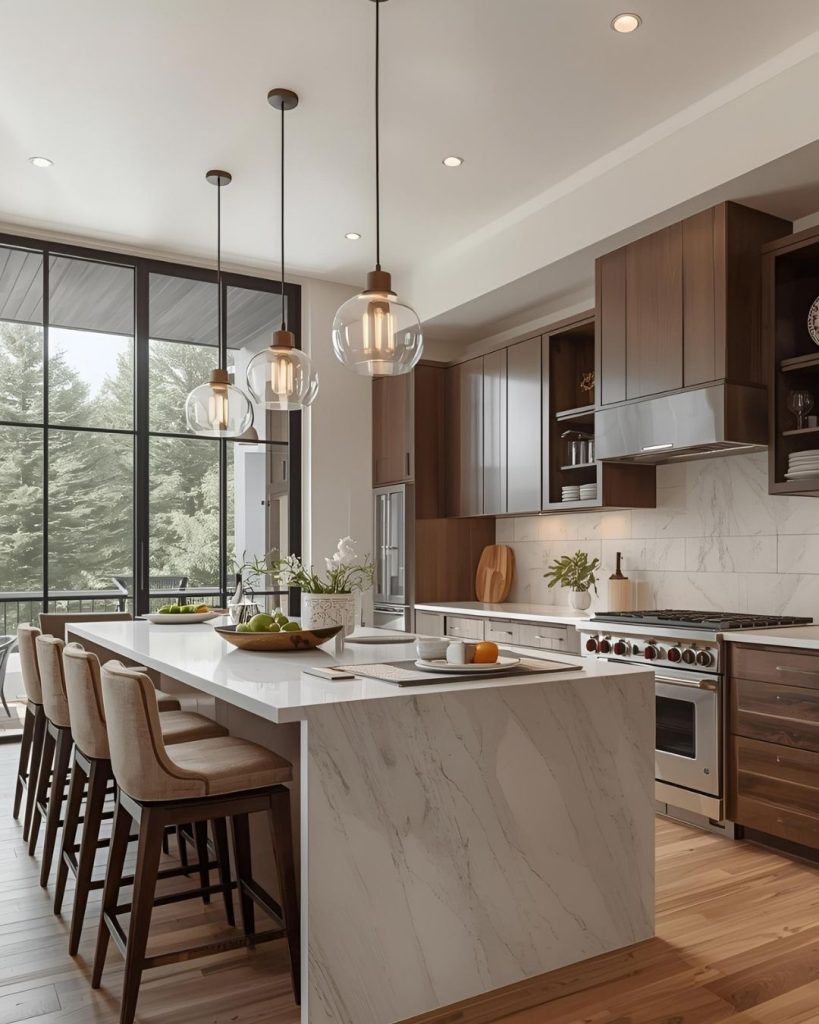
Open-Plan Living in Harlow | Removing Load-Bearing Walls Safely
Open-plan living has transformed how modern families use their homes. Knocking through between a cramped kitchen and separate dining room creates spacious, sociable living areas where families can cook, eat, and relax together. For Harlow homeowners living in properties with dated layouts, removing internal walls offers a practical way to modernise without moving.
But not all walls can simply be knocked down. Load-bearing walls support the structure above, and removing them without proper support risks serious damage to your property. This guide explains how to safely remove load-bearing walls in Harlow homes, covering costs, structural requirements, and what to expect from the process.
Understanding Load-Bearing Walls
Before removing any wall, you need to understand whether it’s load-bearing or non-load-bearing.
Load-bearing walls support weight from above—floor joists, roof structures, or upper floors. Remove one without installing alternative support and your ceiling could sag, crack, or collapse. These walls require structural engineering and steel beam installation before removal.
Non-load-bearing walls simply divide space without supporting anything above. These partition walls can typically be removed without structural alterations, though checking is always advisable.
Harlow’s housing stock presents varying challenges. The post-war properties common across Mark Hall, Potter Street, and Bush Fair often feature internal load-bearing walls that weren’t designed with open-plan living in mind. Older properties in Old Harlow may have multiple structural walls throughout. Even newer homes across Newhall and Church Langley sometimes have internal walls carrying loads.
Never assume a wall is non-load-bearing based on appearance alone. Even thin stud walls occasionally support structures above. Always get professional assessment before removing any internal wall.
How to Identify Load-Bearing Walls
Several indicators suggest a wall may be load-bearing, though professional verification remains essential.
Position in the property: Walls running perpendicular to floor joists above often carry load. Central walls running the length of the property frequently support first floor joists meeting in the middle.
Wall thickness: Load-bearing walls are typically thicker than simple partitions, though this isn’t always reliable in newer constructions where structural stud walls may be relatively thin.
What’s above: If bedrooms, bathrooms, or other rooms sit directly above the wall, it may be supporting that floor. Walls directly below roof structures often carry roof loads.
Basement or crawl space: If your property has accessible space below, you can sometimes see which walls continue down to foundations, indicating structural importance.
A structural engineer can definitively identify load-bearing walls by examining your property’s construction, checking drawings where available, and assessing how loads transfer through the structure. This professional assessment typically costs £300-£600 and is essential before any removal work.
The Structural Solution: Steel Beams
When removing a load-bearing wall, the solution is installing a steel beam (RSJ or rolled steel joist) to carry the load the wall previously supported. The beam transfers weight to posts or padstones at each end, which carry it down to foundations.
The process involves:
- Structural engineer assessment: Calculating loads and specifying beam size, post requirements, and any foundation work needed
- Building regulations application: Structural alterations require building control approval
- Temporary support installation: Props and needles support the structure while work proceeds
- Wall removal: Carefully taking down the existing wall
- Beam installation: Positioning and securing the steel beam with appropriate bearings
- Post and padstone installation: Creating solid supports at each end
- Making good: Plastering, decorating, and finishing around the new beam
The beam may remain visible as a feature, be boxed in with plasterboard, or sit within the ceiling void if space allows. Each approach has aesthetic and practical implications worth discussing with your builder.
Costs for Removing Load-Bearing Walls in Harlow
Load-bearing wall removal costs depend on wall length, beam size required, foundation work needed, and finishing requirements. Here’s what Harlow homeowners can expect in 2026.
Structural engineer fees: £300-£600
Includes site visit, calculations, and specification drawings for building control.
Building regulations: £400-£800
Fees for building control application and inspections.
Small opening (1-2 metres): £1,500-£2,500
Suitable for creating doorways or modest openings between rooms.
Medium opening (2-4 metres): £2,500-£4,500
Typical for connecting kitchens and dining rooms in properties across Harlow.
Large opening (4-6 metres): £4,500-£7,000
For substantial open-plan transformations removing significant wall sections.
Full wall removal: £5,000-£9,000+
Complete removal of walls spanning room width, requiring longer beams and potentially more substantial foundations.
These costs cover structural work, beam supply and installation, temporary supports, and basic making good. Full plastering, decoration, and flooring restoration add further costs depending on scope.
Additional cost factors:
- Foundation work: If existing foundations cannot support concentrated loads, underpinning or new pad foundations add £1,000-£3,000
- First floor walls: Removing walls on upper floors involves additional complexity and typically costs 20-30% more
- Service relocation: Moving radiators, electrics, or plumbing within the wall adds to overall costs
- Finishing quality: Basic plaster patching differs from seamless finishing requiring full room redecoration
Building Regulations Requirements
Removing load-bearing walls requires building regulations approval. This isn’t optional—it’s a legal requirement that protects you, future owners, and your property’s value.
Building control ensures:
- Structural calculations are correct
- Beam specification is adequate for the loads
- Installation meets safety standards
- Work is inspected at key stages
- Completion certificate is issued upon sign-off
You can apply through Harlow Council’s building control service or use an approved private inspector. Either route requires structural engineer drawings and specifications.
The completion certificate matters significantly. Without it, you may face problems when selling your property. Buyers’ solicitors routinely request evidence that structural work was properly approved. Missing certificates can delay or derail sales, or require indemnity insurance that reduces your property’s attractiveness to buyers.
Always ensure your builder obtains proper sign-off before considering any structural project complete.
The Removal Process Step by Step
Understanding the process helps you prepare for the work involved.
Week 1: Preparation
Your structural engineer visits, assesses the wall, and produces calculations specifying beam requirements. Building regulations application is submitted.
Week 2-3: Approval
Building control reviews the application. This typically takes 2-3 weeks, though can vary. Once approved, work can begin.
Day 1: Setup and Support
The builder installs temporary support using adjustable props and timber needles. These carry the load while work proceeds, ensuring the structure above remains safely supported throughout.
Day 2: Removal and Installation
The wall is carefully removed, maintaining temporary support. The steel beam is lifted into position—often requiring multiple workers given beam weights. Padstones or posts are installed at each end, and the beam is secured in place.
Day 3: Making Good
Temporary supports are removed once the beam is carrying the load. Initial making good begins—filling gaps, preparing surfaces for plastering.
Days 4-5: Finishing
Plastering around the beam, patching ceilings and walls, and preparing surfaces for decoration. The beam may be boxed in during this stage.
Building control conducts a final inspection. Once satisfied, they issue your completion certificate.
Following Days: Decoration
Painting, flooring transitions, and final finishing complete your new open-plan space.
Total duration for a typical kitchen-diner knock-through is 5-7 working days, though larger projects take longer.
What to Expect During the Work
Removing a load-bearing wall creates disruption, dust, and noise. Preparing properly makes the process more manageable.
Clear the area: Remove furniture, belongings, and anything fragile from adjacent rooms. Dust travels further than you’d expect.
Protect floors: Heavy steel beams and building materials can damage flooring. Good builders protect surfaces, but additional covering helps.
Plan for noise: Cutting through brick and masonry creates significant noise. Warn neighbours and plan activities accordingly.
Utilities: Walls often contain electrical cables, pipes, or radiators. These need relocating before removal, sometimes requiring electrician or plumber attendance.
Living arrangements: You can typically remain in your home during work, though the affected rooms are unusable. If your kitchen is involved, plan for limited cooking facilities during the project.
Is Open-Plan Living Right for Your Harlow Home?
Before committing to wall removal, consider whether open-plan living suits your household.
Advantages:
- More sociable cooking and family time
- Better natural light throughout the space
- Modern aesthetic appeal
- Improved sight lines for supervising children
- Potentially increased property value
Considerations:
- Less separation between cooking smells and living areas
- Reduced wall space for furniture and storage
- Noise travels more easily between zones
- Heating larger spaces may cost more
- Loss of separate rooms for quiet activities
Many Harlow families find open-plan living transforms their homes, particularly where original layouts feel cramped and dark. Properties across Potter Street, Mark Hall, and Bush Fair often benefit significantly from opening up ground floor spaces. However, some households prefer defined rooms for different activities.
Consider how your family actually lives before assuming open-plan is automatically better.
Choosing a Builder for Structural Work
Structural alterations require experienced builders who understand load management, steel installation, and building regulations compliance. This isn’t work for general handymen or inexperienced contractors.
Look for builders with:
- Proven experience with structural alterations
- Understanding of building regulations processes
- Relationships with structural engineers
- Clear quotations specifying all work included
- Appropriate insurance for structural work
- References from previous structural projects
Ask to see completed knock-throughs if possible. Quality finishing around steel beams separates experienced builders from those learning on your property.
Next Steps
If you’re considering opening up your Harlow home, start with professional assessment. A structural engineer can confirm which walls are load-bearing and what’s involved in removing them. From there, you can get accurate quotations and make informed decisions.
We complete structural alterations throughout Harlow and surrounding areas including Old Harlow, Potter Street, Mark Hall, Bush Fair, Staple Tye, Churchgate, Latton Bush, Newhall, Church Langley, Sawbridgeworth, and Bishop’s Stortford. Contact us to discuss your project and arrange a free consultation.
Considering opening up your Harlow home? Contact us to discuss your project and get a free, no-obligation quotation.